Moving doesn’t have to be a chaotic mess of taped cardboard, lost markers, and broken plates. With a solid plan and the right approach, you can pack efficiently, save hours of time, and keep your sanity intact.
Here are 12 pro-level packing hacks to make your next move entirely stress-free.
1. Ditch the Cardboard and Rent Reusable Totes
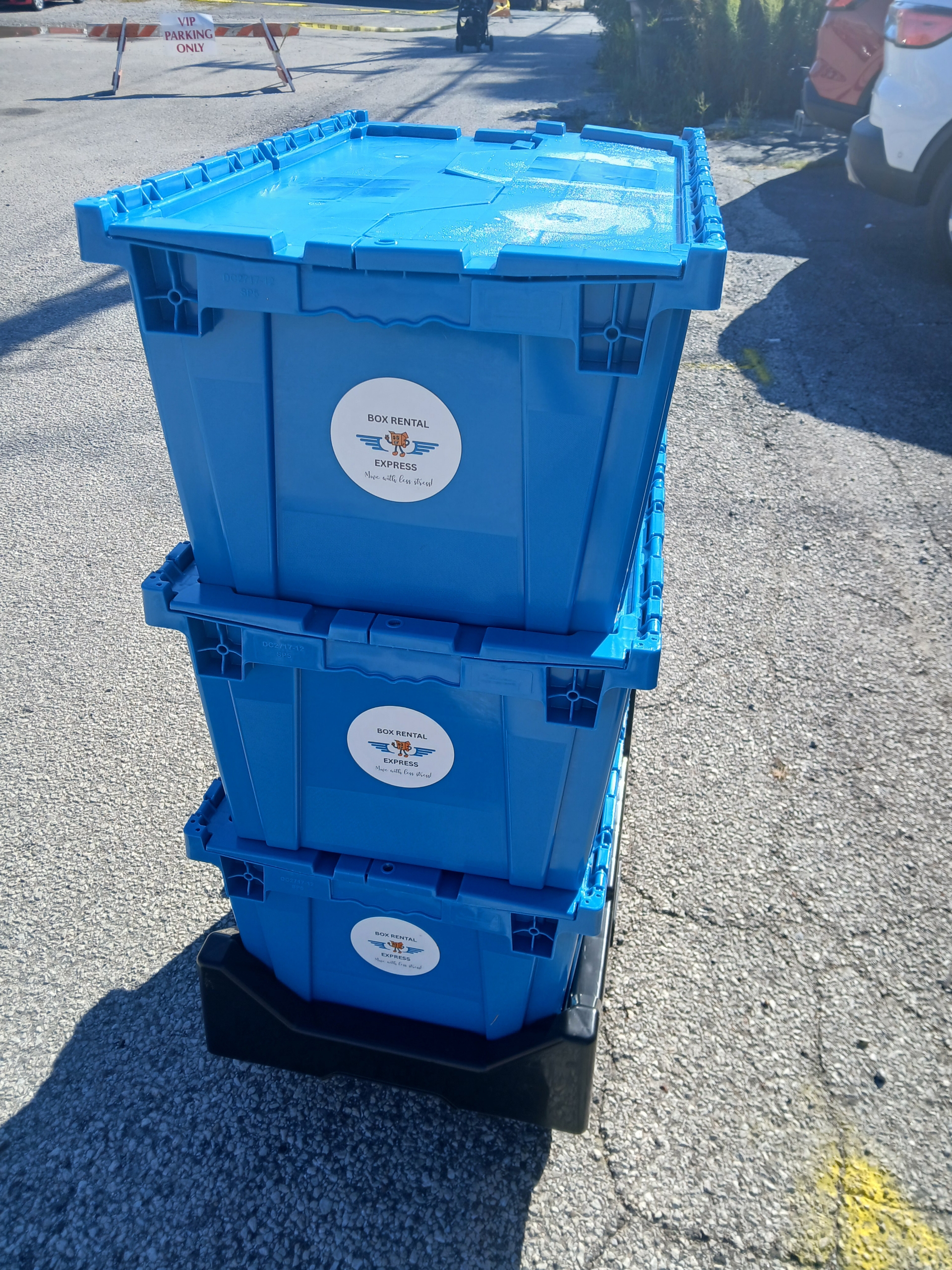
Traditional cardboard boxes require endless rolls of packing tape, easily crush under pressure, and often end up in a landfill after one use. Upgrading to heavy-duty, reusable plastic moving totes is the ultimate moving game-changer. They stack perfectly, come with attached lids, and keep your belongings completely safe from crushing or moisture. Plus, they are delivered right to your door and picked up when you’re done!
2. Don’t Empty Your Dresser Drawers
Why spend hours taking clothes out of drawers, folding them into boxes, and then putting them back? If your dresser isn’t too heavy to safely transport, leave your clothing right in the drawers. To keep the drawers from sliding open during transition, wrap the entire dresser securely in stretch wrap.
3. Use the “Bundle Method” for Clothes on Hangers
Don’t waste time taking clothes off their hangers. Group a bundle of hanging clothes together (about 10–15 items) and slip a heavy-duty trash bag over them, starting from the bottom. Tie the bag handles tightly around the hooks of the hangers. When you arrive at your new home, simply hang them up and pull the bags off.
4. Color-Code by Room
Instead of writing long descriptions on every single side of a container, use colored stickers or tape to designate rooms (e.g., Red for Kitchen, Blue for Master Bedroom, Orange for Living Room). Put a colored sticker on all four sides of the container so it’s visible no matter how they are stacked.
5. Take Photos of Your Electronics Wiring
Before you unplug your TV, sound system, or internet router, take a quick picture of the back of the device. Trying to remember which cord goes into which colored port three days after a move can be an absolute headache. The photo gives you an instant blueprint for reassembly.
6. Pack an “Essentials Container” for Day One
Pack a clearly marked, separate tote for the absolute essentials you will need the very first night and morning in your new home. This should include:
- Toilet paper and paper towels
- Basic toiletries and medications
- A change of clothes and pajamas
- Chargers for your devices
- A utility knife or scissors
- Pet food and bowls
7. Keep Your Screws and Hardware Together
When taking apart beds, desks, or tables, immediately place all the small screws, bolts, and brackets into a clear plastic ziplock bag. Write the name of the furniture piece on the bag with a sharpie, and tape the bag directly to one of the disassembled parts so it doesn’t get separated.
8. Use Linens and Socks to Wrap Breakables
Save money on bubble wrap and packing paper by using what you already own. Wrap wine glasses, mugs, and small decor items inside clean socks, dish towels, or t-shirts. Not only does this protect your fragile items, but it also means you’re packing your linens at the exact same time.
9. Pack Plates Vertically, Like a Dishwasher
Plates are much more susceptible to breaking when stacked flat on top of each other because pressure builds on the bottom of the stack. Instead, wrap your plates individually and pack them vertically (on their edges) inside your moving container.
10. Seal Liquid Containers with Plastic Wrap
Changes in temperature and movement during a move can cause shampoo, cleaning supplies, and lotions to leak all over your boxes. To prevent this, unscrew the cap of the bottle, place a small square of plastic wrap over the opening, and screw the cap back on tight.
11. Roll, Don’t Fold, Your Towels and Sheets
If you are filling extra spaces in your moving totes, tightly roll your bath towels, beach towels, and bedsheets. Rolled linens fit beautifully into the gaps and corners of your containers, acting as excellent built-in shock absorbers for surrounding items.
12. Set a Safe Weight Limit
Even when using heavy-duty plastic totes, it’s important to keep an eye on weight. Try to keep your individual containers under 65 lbs so they remain safe to lift and stack. Put heavy items (like books or cookware) into smaller configurations, and save larger spaces for lighter, bulkier items like pillows and blankets.
Ready for a Smarter Way to Move?
Say goodbye to cardboard chaos. If you are preparing for a move in Northwest Indiana, let us handle the heavy lifting of container logistics.
Check out our customizable packages or schedule your delivery and pickup right on our Pricing & Packages Page!
Leave a Reply